How Long Do Dental Implants Last? Maintenance and Longevity Tips
Dental implants are often called a "permanent" solution for missing teeth—but what does that really mean? How long do implants actually last, and what can you do to maximize their lifespan?
In this guide, we'll break down the longevity of dental implants, the factors that affect how long they last, and the maintenance required to keep your implants healthy for decades.
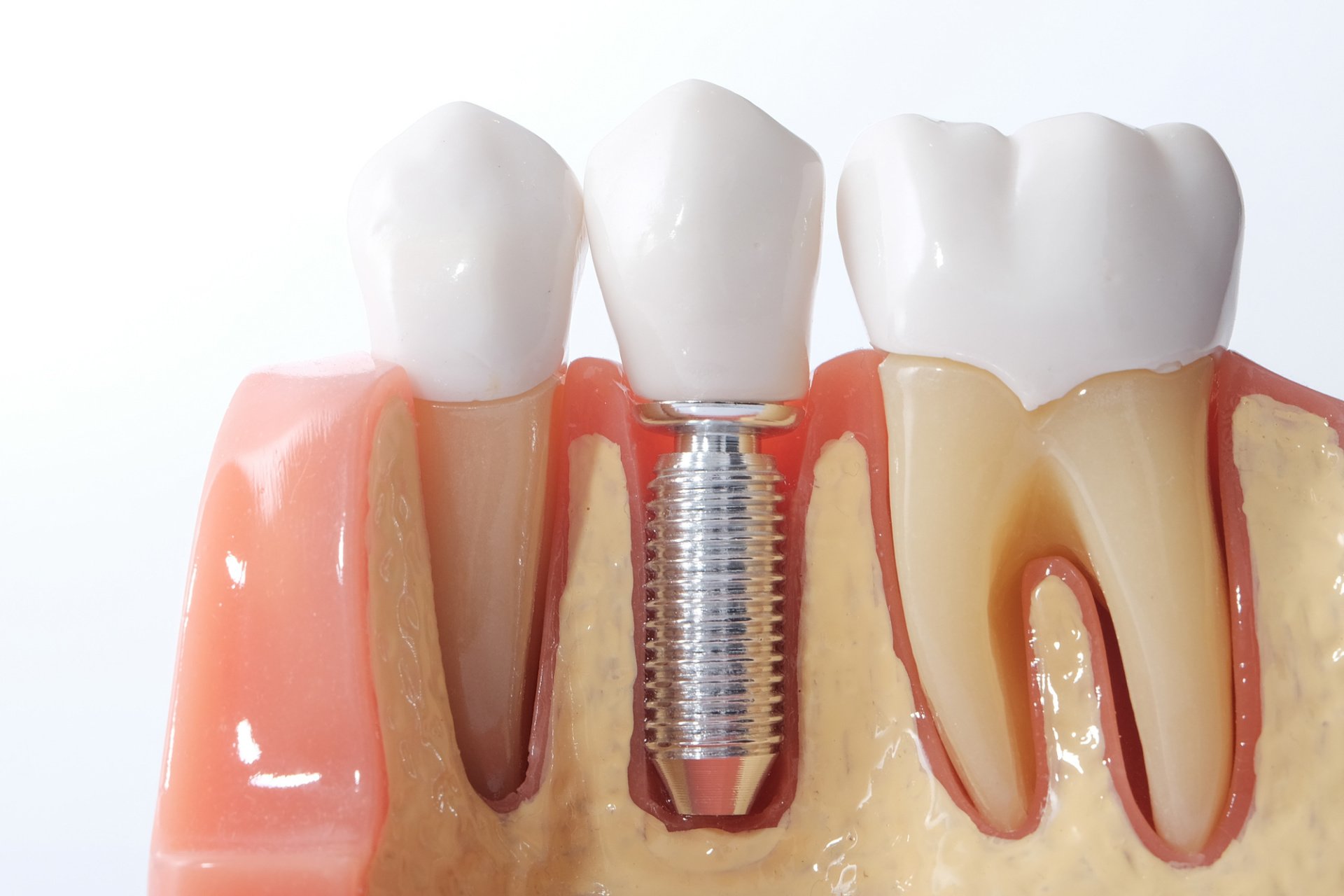
The Two Parts of a Dental Implant
To understand implant longevity, you first need to understand that a dental implant has two components:
- The implant (root): The titanium post that's surgically placed into your jawbone. This is designed to last a lifetime.
- The crown (tooth): The visible porcelain tooth that's attached to the implant. This typically lasts 10-15 years before needing replacement.
When we talk about implant longevity, we're usually referring to the implant itself—not the crown.
How Long Do Implants Last?
Studies show that dental implants have a success rate of 95-98% over 10 years. With proper care, the titanium implant itself can last 25+ years—and in many cases, a lifetime.
The crown, however, will eventually need to be replaced due to normal wear and tear. Think of it like a car: the engine (implant) can last decades, but you'll need to replace the tires (crown) periodically.
Factors That Affect Implant Longevity
1. Quality of Placement
The #1 factor in implant success is the skill of the surgeon. Proper placement—correct angle, depth, and position—is critical for long-term stability.
Why this matters for dental tourism: This is why you should only choose a dentist with extensive implant training (ideally a prosthodontist or oral surgeon) and a proven track record. Dr. Camila Fernández at Hub Dental has placed over 1,000 implants with a 98% success rate.
2. Bone Quality and Quantity
Implants need sufficient bone to fuse with (a process called osseointegration). If you have bone loss, you may need a bone graft before implant placement.
3. Oral Hygiene
Implants can't get cavities, but they can develop peri-implantitis—a gum infection that causes bone loss around the implant. Poor oral hygiene is the leading cause of implant failure after the first year.
4. Smoking
Smoking significantly increases the risk of implant failure. Nicotine restricts blood flow, which impairs healing and osseointegration. If you smoke, your dentist may recommend quitting before implant surgery.
5. Teeth Grinding (Bruxism)
If you grind your teeth at night, the excessive force can damage the crown or even loosen the implant over time. A nightguard is essential for implant longevity if you have bruxism.
6. Systemic Health Conditions
Conditions like uncontrolled diabetes, autoimmune diseases, and osteoporosis can affect healing and bone density, which may impact implant success.
How to Maximize Implant Lifespan
1. Maintain Excellent Oral Hygiene
- Brush twice daily with a soft-bristle toothbrush
- Floss daily (use a water flosser if you have difficulty with traditional floss)
- Use an antimicrobial mouthwash to reduce bacteria
2. See Your Dentist Regularly
Professional cleanings every 6 months are essential. Your dentist will check for signs of peri-implantitis and ensure your implant is stable.
3. Avoid Excessive Force
- Don't chew ice or hard candy
- Don't use your teeth as tools (opening packages, etc.)
- Wear a nightguard if you grind your teeth
4. Quit Smoking
If you smoke, quitting is the single best thing you can do to protect your implants (and your overall health).
5. Manage Systemic Health Conditions
If you have diabetes, keep your blood sugar well-controlled. If you have osteoporosis, work with your doctor to maintain bone density.
When Do Crowns Need to Be Replaced?
Even with excellent care, the porcelain crown on your implant will eventually wear down or chip. Most crowns last 10-15 years before needing replacement.
The good news: Replacing a crown is a simple, non-surgical procedure. The implant itself remains in place—your dentist just removes the old crown and attaches a new one.
What About All-on-4 Implants?
All-on-4 implants (a full arch of teeth supported by four implants) have the same longevity as single implants. The implants themselves can last 25+ years, while the prosthetic teeth typically need to be replaced every 10-15 years.
The Bottom Line: Implants Are a Lifetime Investment
Dental implants are the closest thing to natural teeth in terms of function, appearance, and longevity. With proper care, your implants can last 25+ years—and in many cases, a lifetime.
The key is choosing an experienced surgeon, maintaining excellent oral hygiene, and attending regular checkups. If you do that, your implants will serve you well for decades.