Is Dental Tourism Safe? 5 Questions to Ask Before Booking Your Trip
Dental tourism can save you thousands of dollars—but is it safe? This is the most common question we hear from patients considering treatment abroad, and it's a smart one to ask.
The short answer: Yes, dental tourism can be very safe—if you choose the right clinic and ask the right questions. In this guide, we'll walk you through the 5 critical questions you must ask before booking your dental trip.
Question 1: What Are the Dentist's Credentials?
This is the most important question. You need to verify that your dentist has proper training and experience in the specific procedure you need.
What to ask:
- Where did you complete your dental degree?
- Do you have any advanced training or certifications (e.g., prosthodontics, implantology)?
- Are you a member of any international dental organizations?
- How many [specific procedure] have you performed?
Red flags:
- The clinic refuses to provide credentials or is vague about training
- The dentist has no specialized training in the procedure you need
- No memberships in recognized professional organizations
Example of good credentials: Dr. Camila Fernández at Hub Dental completed her Advanced Prosthodontics training at NYU College of Dentistry (one of the top dental schools in the world) and is a member of the American Academy of Implant Dentistry.
Question 2: What Materials and Brands Do You Use?
The quality of materials—especially implants and porcelain—directly affects the longevity and success of your treatment.
What to ask:
- What brand of dental implants do you use?
- What type of porcelain do you use for crowns/veneers?
- Can I see the manufacturer's certificate for my implant?
Premium brands to look for:
- Implants: Nobel Biocare, Straumann, Zimmer Biomet
- Porcelain: IPS e.max, Lava, BruxZir
Red flags:
- The clinic uses unknown or generic brands
- They can't or won't tell you the brand
- They refuse to provide manufacturer documentation
Question 3: What Happens If Something Goes Wrong?
Complications are rare, but they can happen. You need to know what support you'll receive if you experience problems after returning home.
What to ask:
- Do you offer a warranty or guarantee on your work?
- What is your policy for complications or failures?
- Can I reach you for follow-up consultations after I return home?
- Do you have a network of dentists in my home country who can provide follow-up care?
Red flags:
- No warranty or guarantee offered
- No clear policy for handling complications
- No follow-up support after you leave
Question 4: Can I See Before-and-After Photos and Patient Reviews?
Legitimate clinics will have extensive portfolios of their work and verifiable patient reviews.
What to ask:
- Can I see before-and-after photos of patients who had the same procedure I need?
- Can I speak to or read reviews from previous international patients?
- Are your reviews on independent platforms (Google, Trustpilot) or just your website?
Red flags:
- No before-and-after photos available
- Reviews only appear on the clinic's own website
- Reviews seem fake or overly generic
Question 5: What Is the Sterilization and Safety Protocol?
Infection control is critical in any dental setting. Make sure the clinic follows international standards.
What to ask:
- What sterilization methods do you use for instruments?
- Do you follow international infection control standards (e.g., CDC guidelines)?
- Can I tour the clinic before my procedure?
What to look for during a tour:
- Autoclave sterilization equipment
- Single-use disposable items (gloves, masks, bibs)
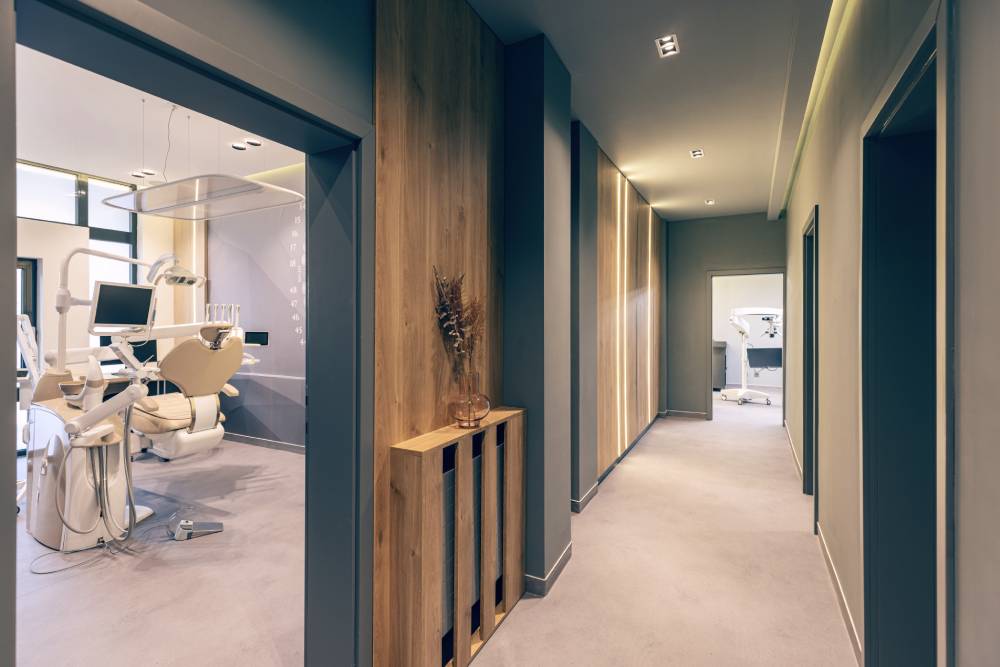
- Clean, modern facilities
- Staff wearing proper protective equipment
Additional Safety Tips
- Start with a virtual consultation: This allows you to meet the dentist, ask questions, and get a treatment plan before committing to travel.
- Don't rush: Avoid clinics that promise unrealistic timelines (e.g., "All-on-4 in 2 days"). Quality work takes time.
- Get everything in writing: Treatment plan, costs, warranty, and follow-up care should all be documented.
- Check travel insurance: Some policies cover medical complications abroad.
The Bottom Line: Dental Tourism Can Be Safe
Thousands of Americans travel to Brazil every year for dental care and have excellent outcomes. The key is doing your homework: verify credentials, confirm materials, understand the warranty, and choose a clinic with transparent communication and strong patient reviews.
If a clinic can't or won't answer these five questions clearly and confidently, that's a red flag. Move on to a clinic that prioritizes transparency and patient safety.